Organisation Profile
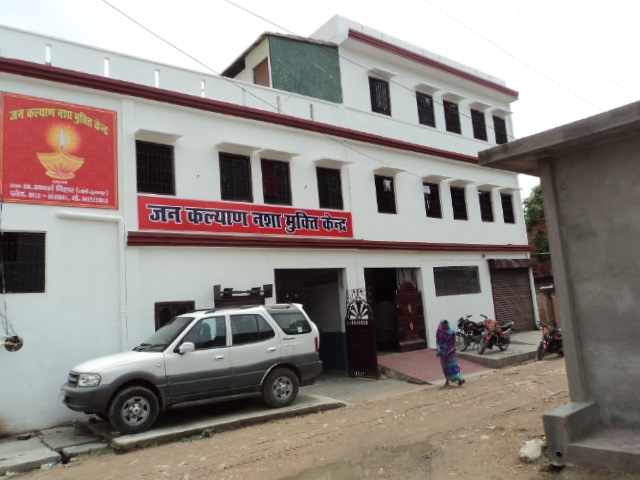
First of all let us introduce ourself as an organisation i.e. JAN KALYAN NASHA MUKTI KENDRA which has been deeply involved in the national campaign of “NASHA MUKTI” since 15 years. Dr.S.K.PATHAK has founded JKNMK on dated 26.09.1995.
Our effort is to make our nation free from all the types of addiction which is spread to all over India. Thousand of drug/alcohol addicted people are benifited from our efforts. They have not only saved their own life but have also saved their families. We are proud to make you aware that after looking at our work of humainity. Govt. has specially awardedour honourable founder member Dr.S.K.PATHAK to organize de-addiction centre. It is well known fact that the people behind accident,robberies and all illegal activities are drug,alcohol addicted people.
According to a latest survey conducted by “World Health Organisation” Maximum addicted people are in India.
Comprehensive De-Addiction Treatment
Personalized care and professional support for physical, mental and emotional well-being.
Counselling
Professional guidance and family support to help individuals understand addiction and work towards recovery.
View Full Details
Drug addiction help can be provided through the means of friends and family members. In case you happen to have a drug addiction case in your family, it is your responsibility to get the patient back on track.
Addiction to drugs is a bad habit which needs to be dropped through an able counsellor. While there are various counsellors available in the market, most of them are very expensive.
Physical Exercises
Physical wellness, Yoga, Asanas and Pranayam as part of a holistic approach to well-being.
View Full Details
It is a therapy of the highest level of potency & accomplishment, perhaps even an instrument of transcendence. Therapy is, least of all a selfish one-off act.
Yoga therapy calls upon the physician to heal himself first before unleashing himself upon the world. Yoga practice must either change the system or offer a challenge.
Treating sickness through Yoga, sometimes with different ways like change of diet, certain Asanas, Pranayam and prayer, serves more as transformation than information.
Arshmatsyendrasana & Matsyendrasana: The original description discusses these asanas in relation to indigestion and loss of appetite.
Sarvangasana: The original description discusses this asana in relation to the brain and nerves.
Shirshasana: The original description associates this practice with blood flow to the brain, relaxation of the mind and body, metabolism and brain functioning.
Rehabilitation Therapy
Structured rehabilitation and continued support to help individuals rebuild a healthier lifestyle.
View Full Details
In order to provide one-stop solutions to patients, we have developed our association with renowned and trusted rehabilitation centres.
We have established long lasting relationships with such centres which are famous for their value-added services and therapies.
The objective of our rehabilitation therapy is to provide complete treatment to a person after his/her de-addiction.
Yoga
Natural wellness practices focusing on mindfulness, physical balance and a healthier mindset.
View Full Details
Drug abuse addictions are a very serious problem and if you wish to permanently cure a patient, you need to pay adequate attention towards the choice of the de-addiction therapy.
While there are many traditional therapies which do not work well as they are temporary in nature, there are others which are considered permanent.
They are natural therapies which work on the mindset of the patient.
Herbal Medicine
Traditional and herbal wellness support considered under appropriate professional supervision.
View Full Details
Our original treatment description discusses herbal medicines for patients who have experienced long-term addiction and consume substances such as Alcohol, Gutka, Charas and others in large quantities.
It describes the medicines as tasteless and colourless, making them easy to consume, and discusses their intended role in reducing the desire for alcohol and smoking.
The original description also highlights their effectiveness and reasonable price. These claims require verification by an appropriately qualified clinician. Herbal preparations should only be used with the patient's knowledge and consent.
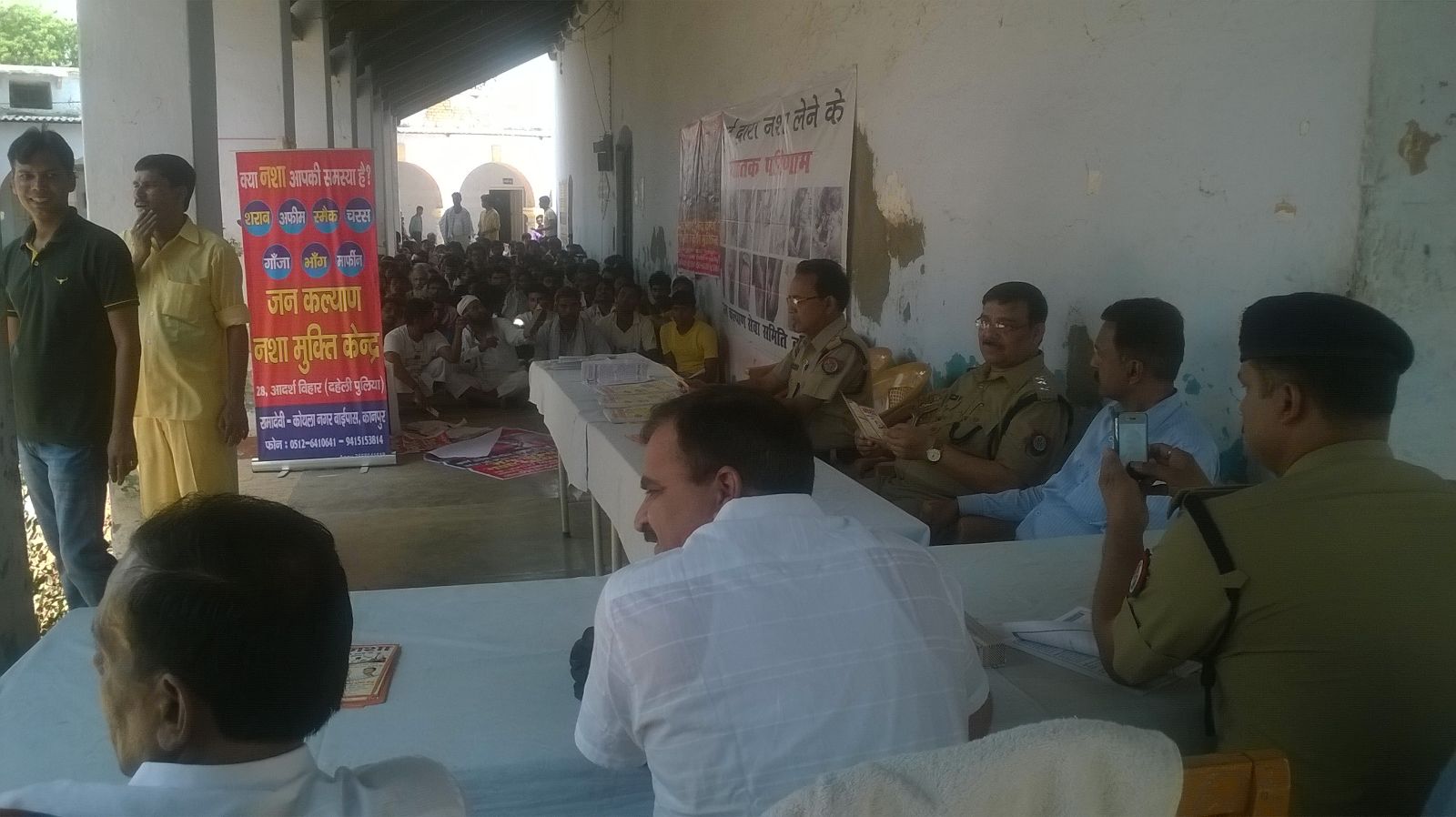
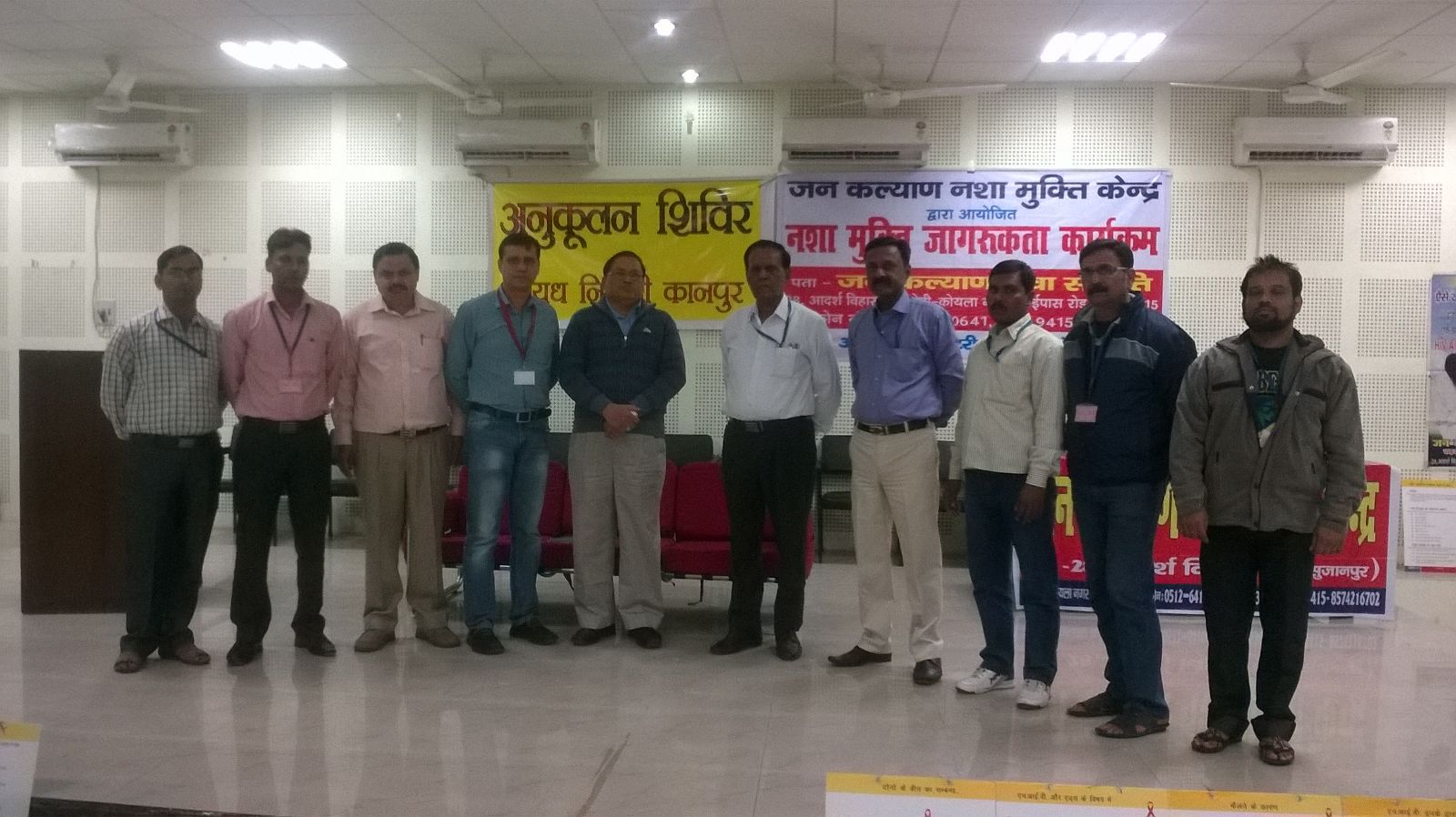
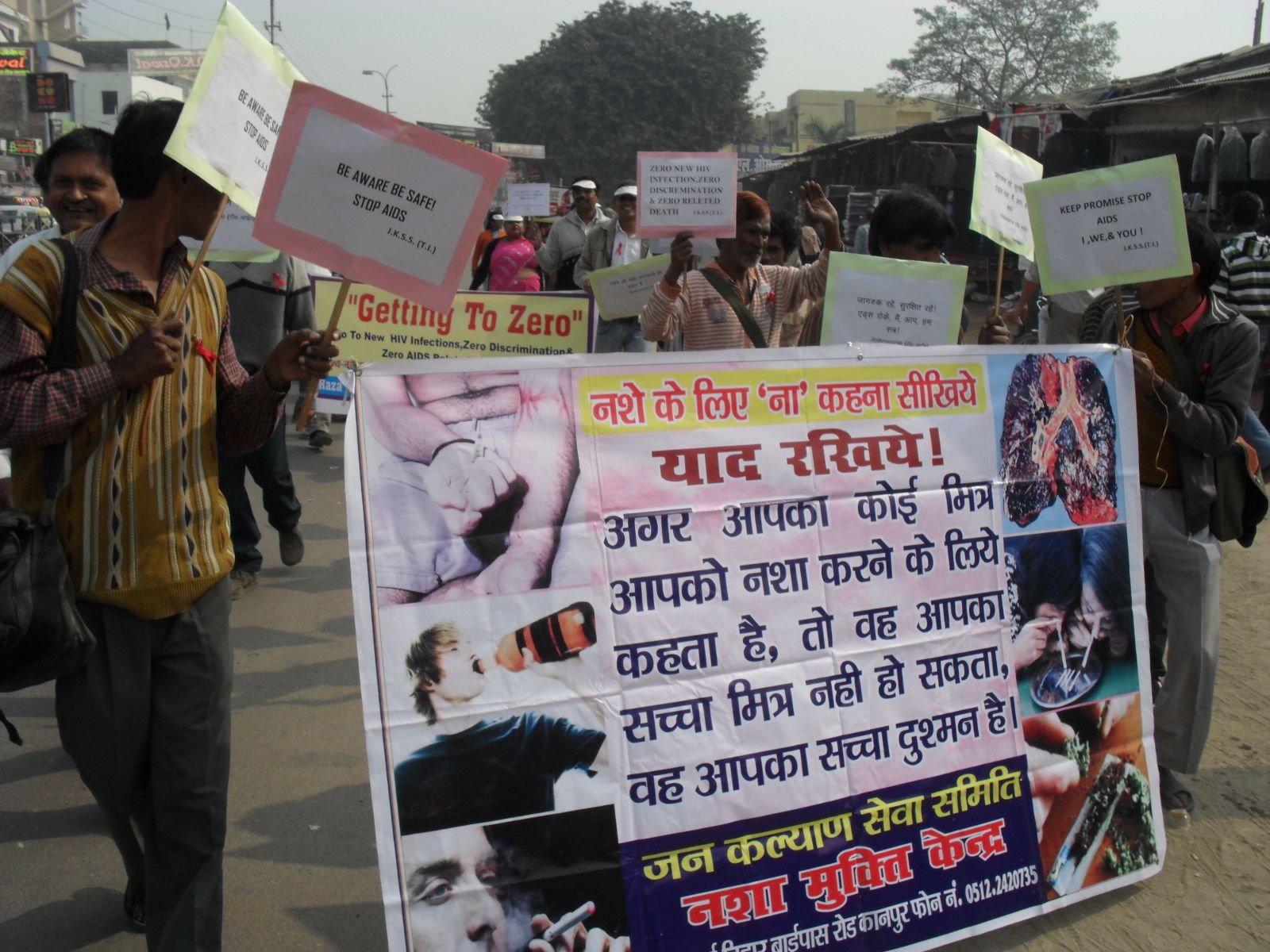
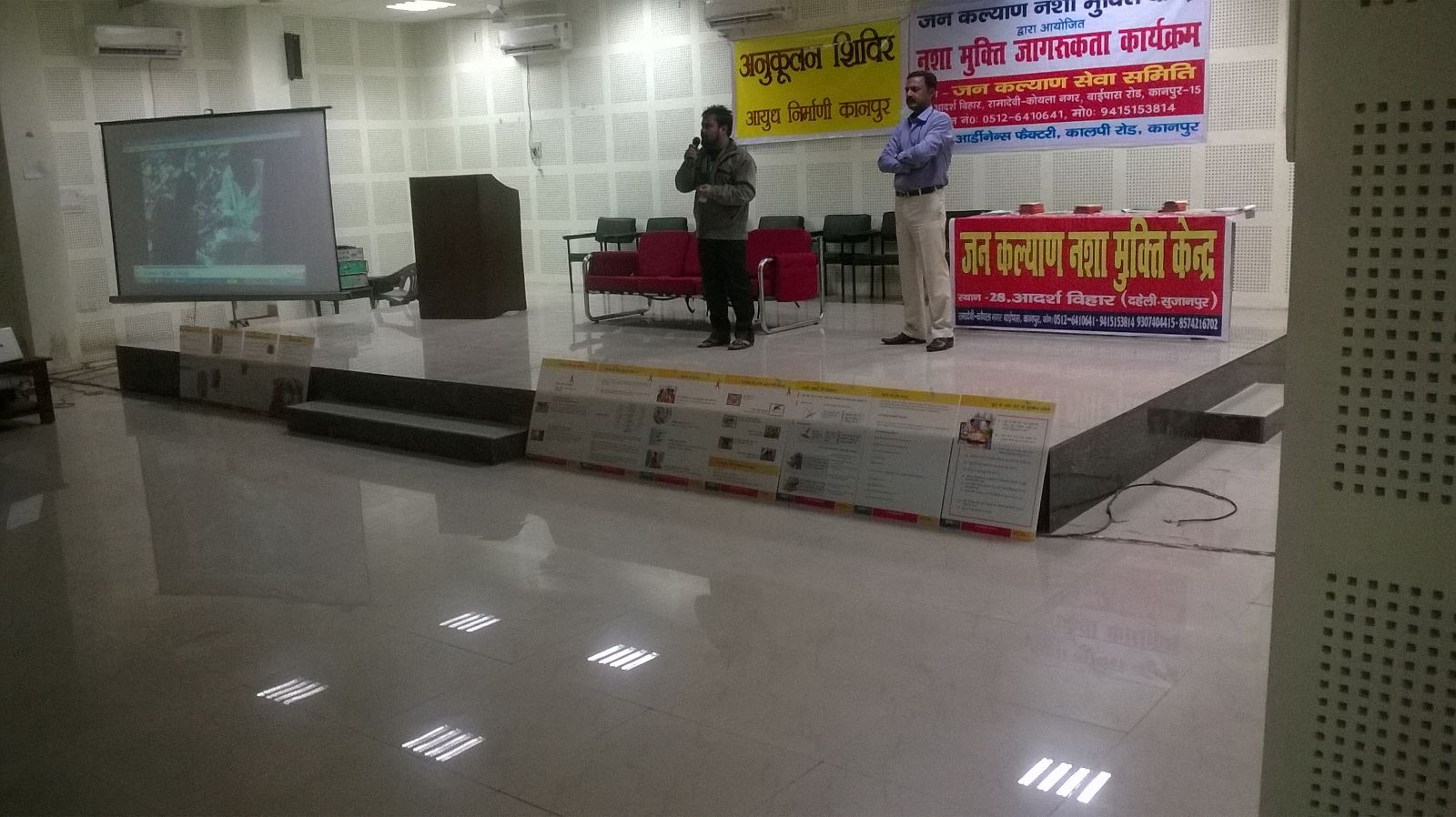
Gallery
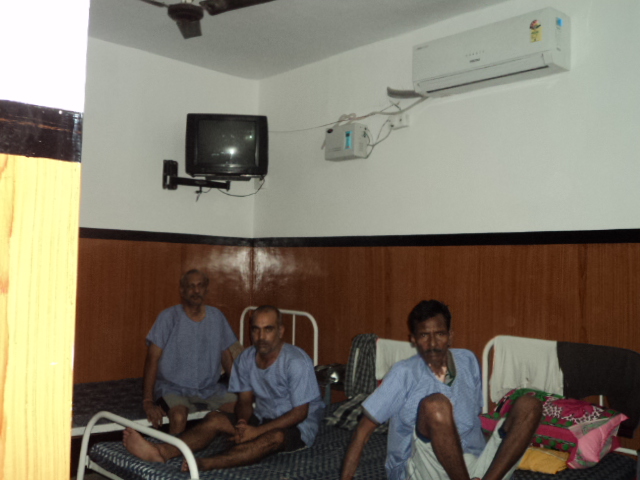
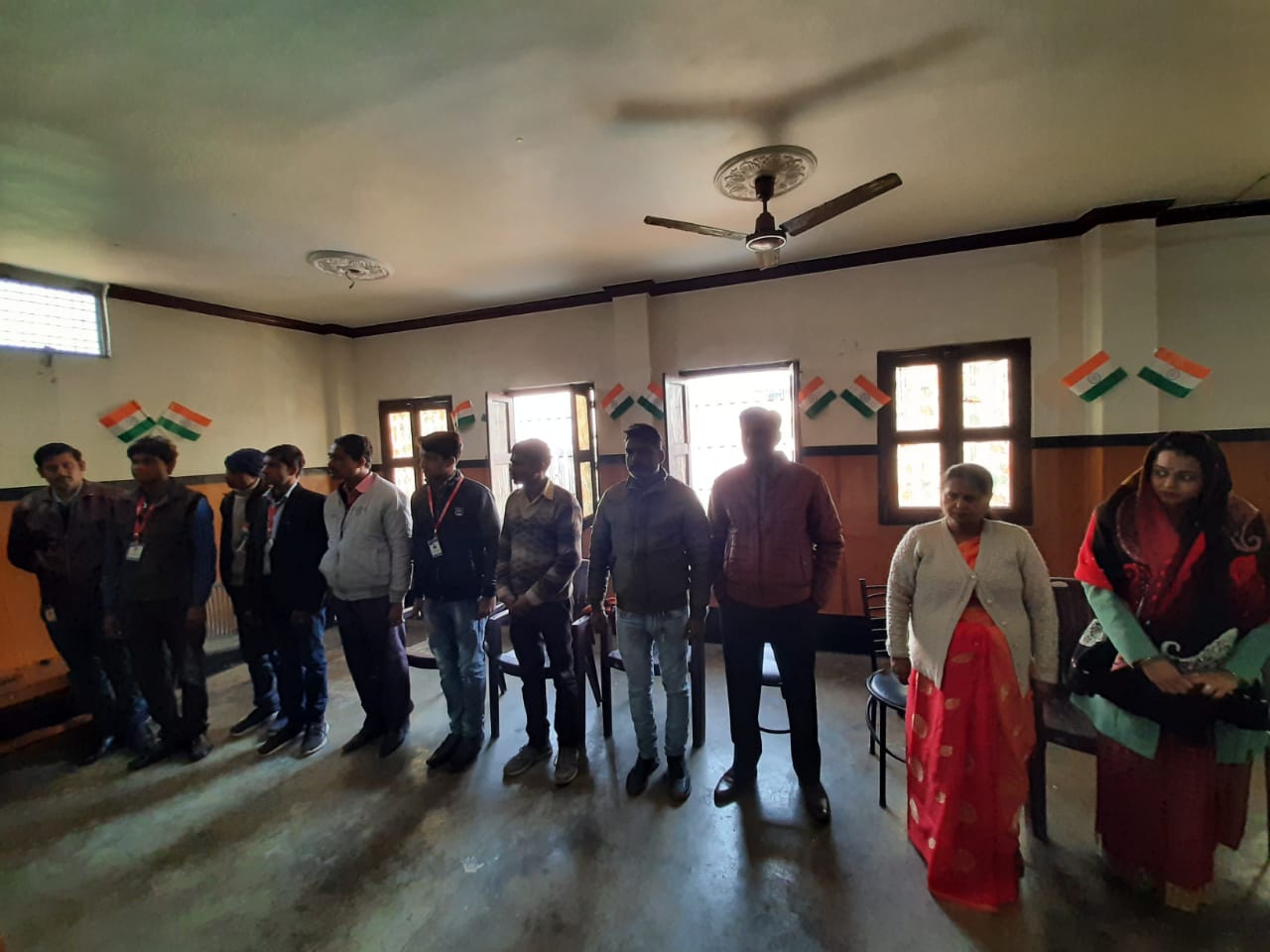
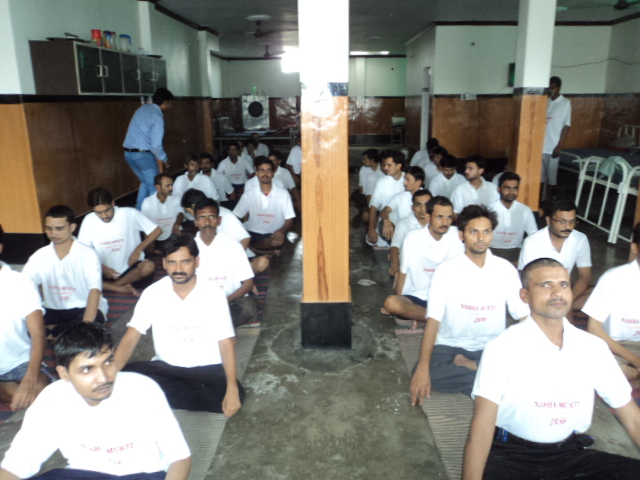
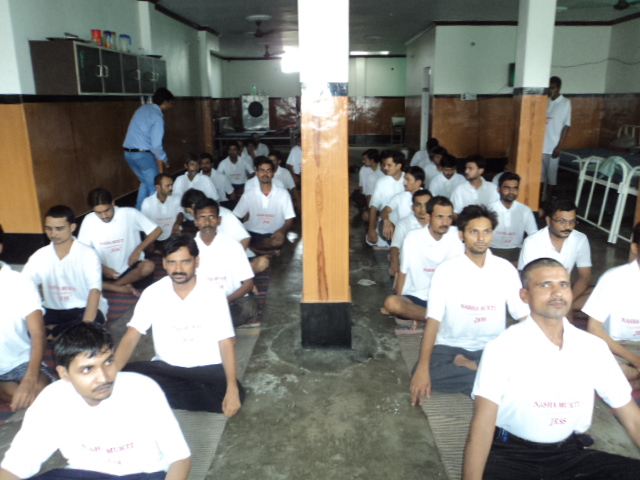
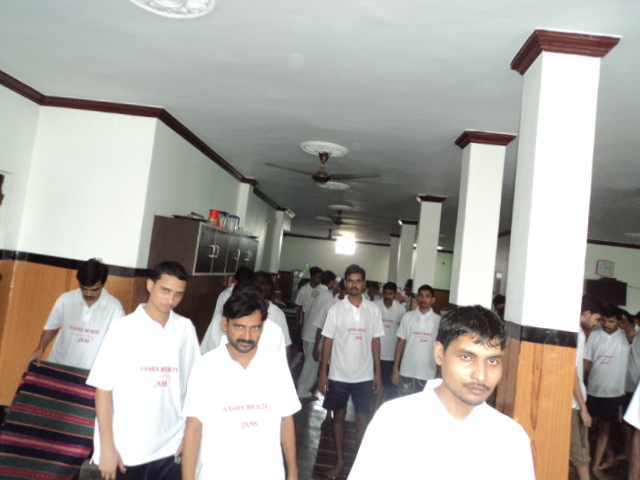
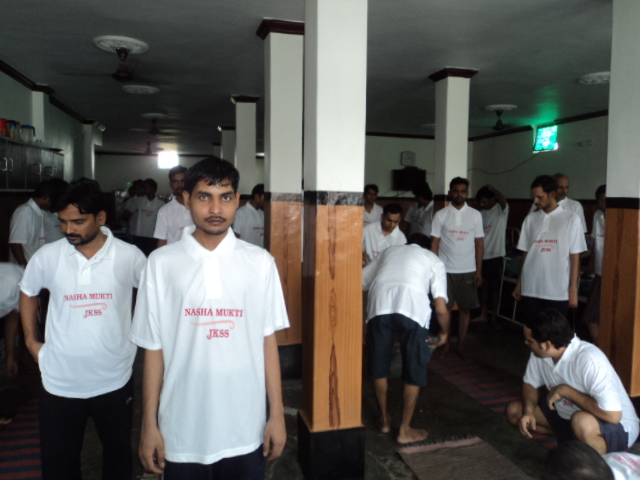
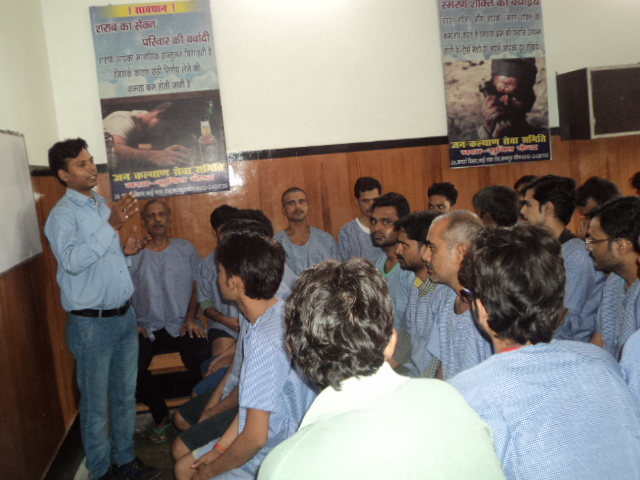
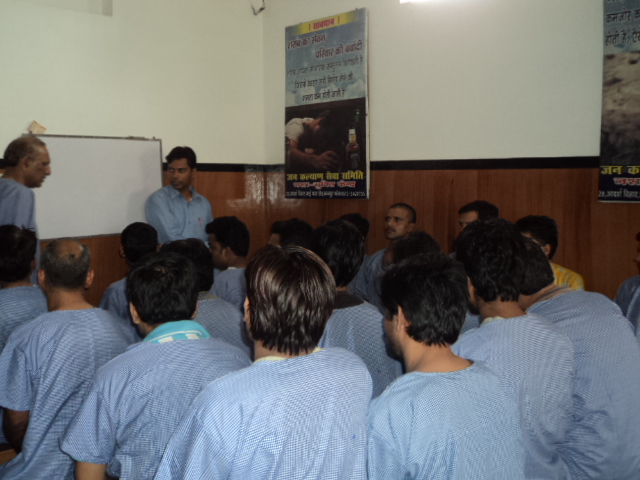
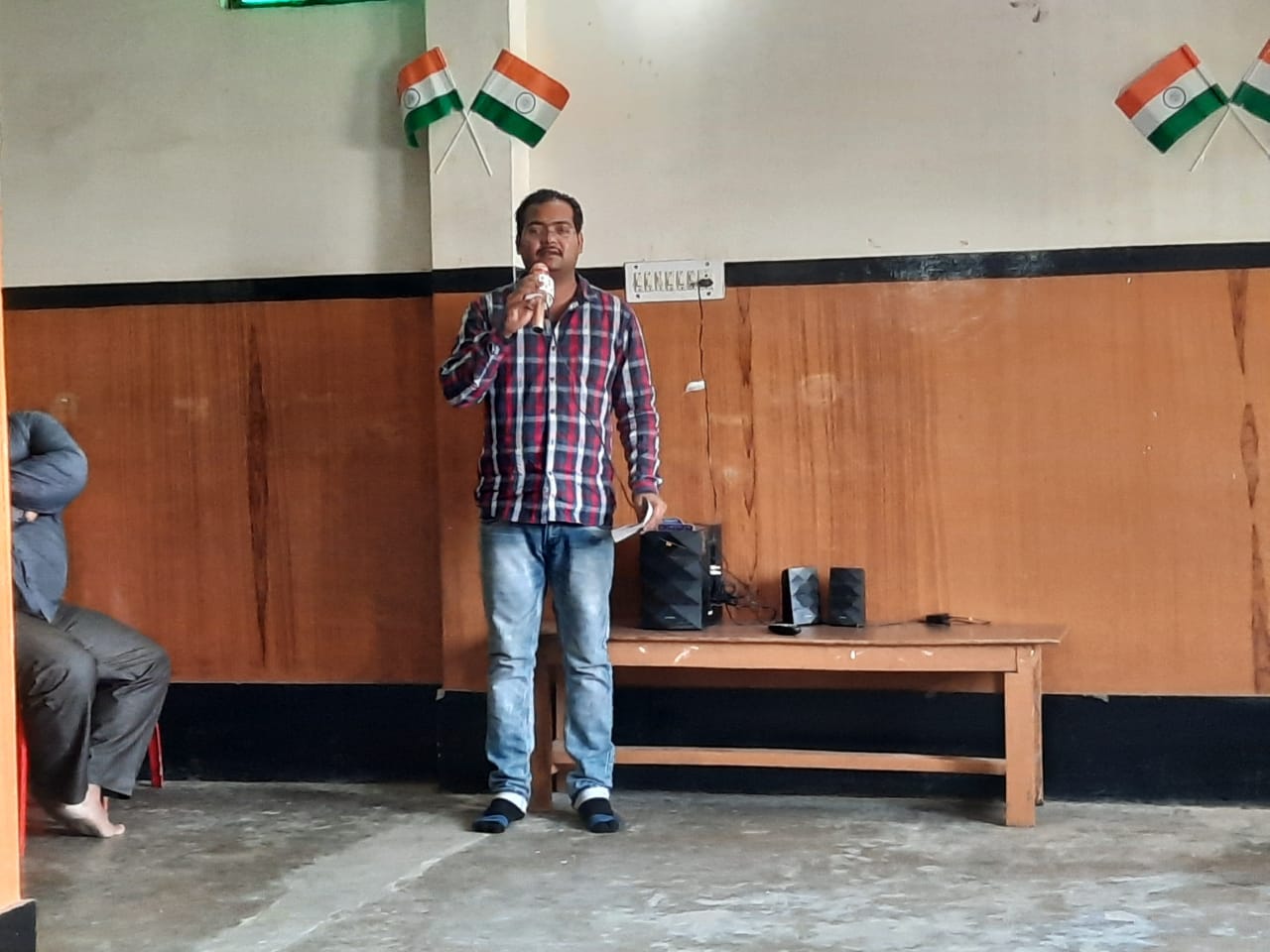
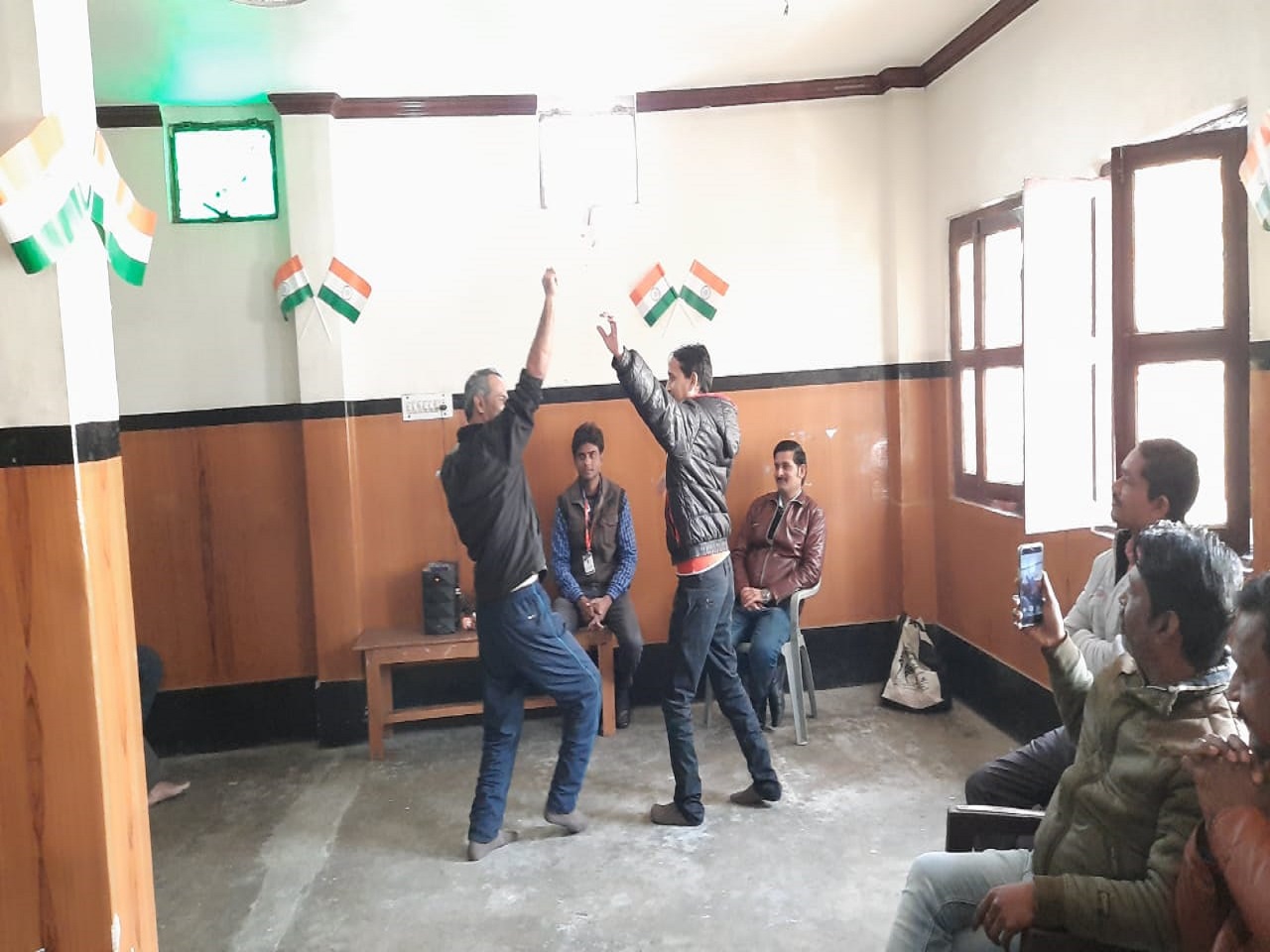
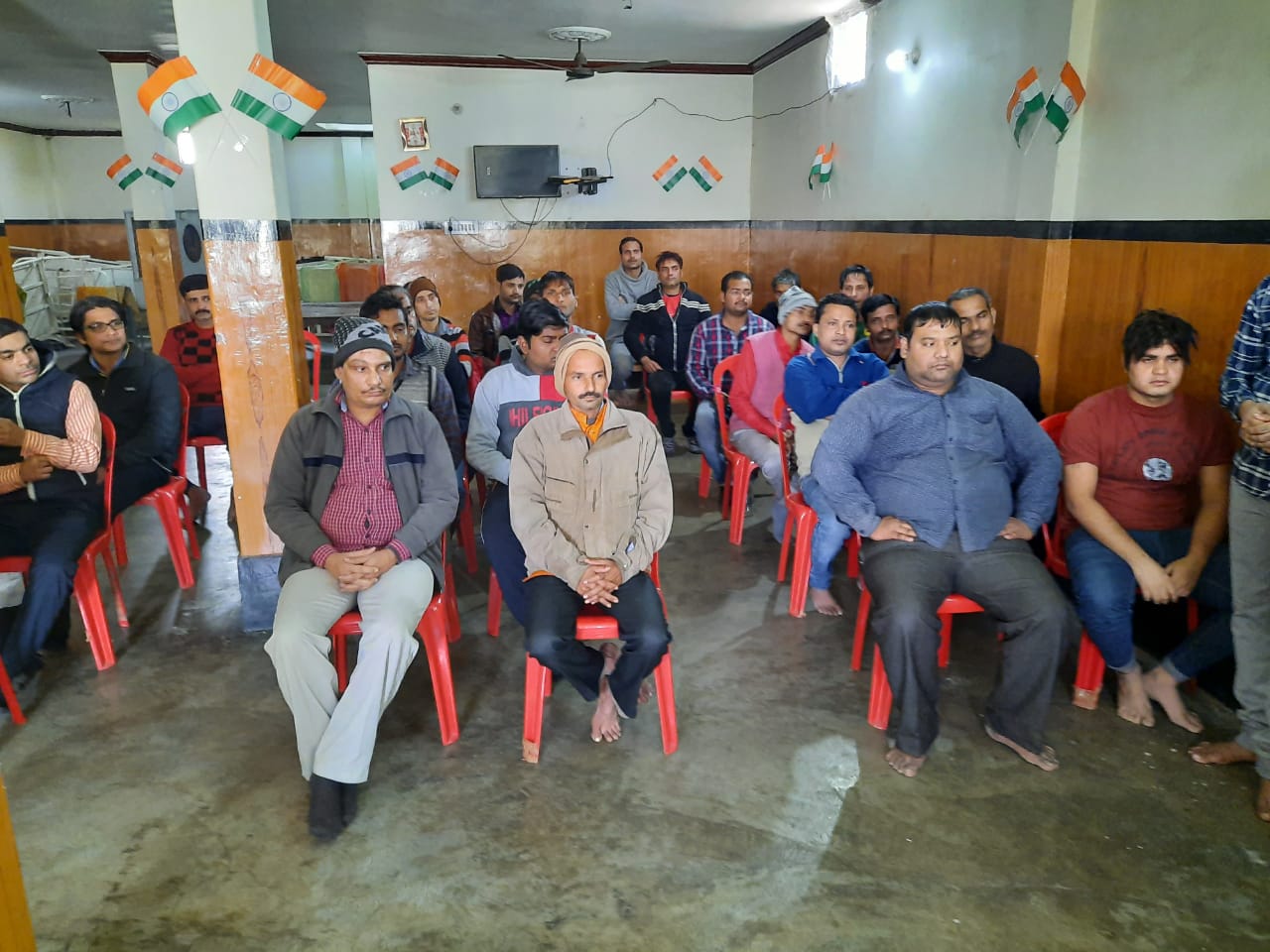
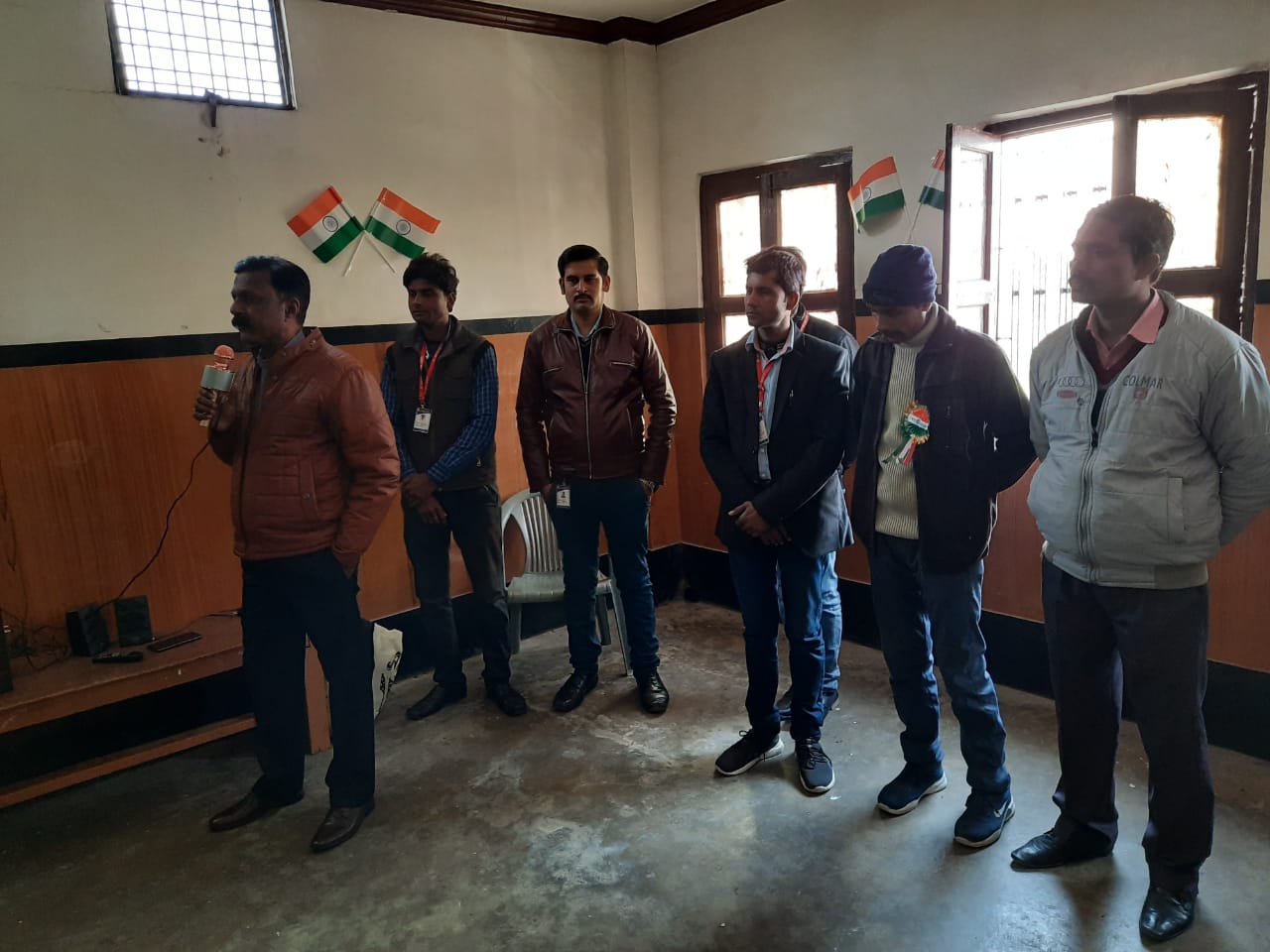
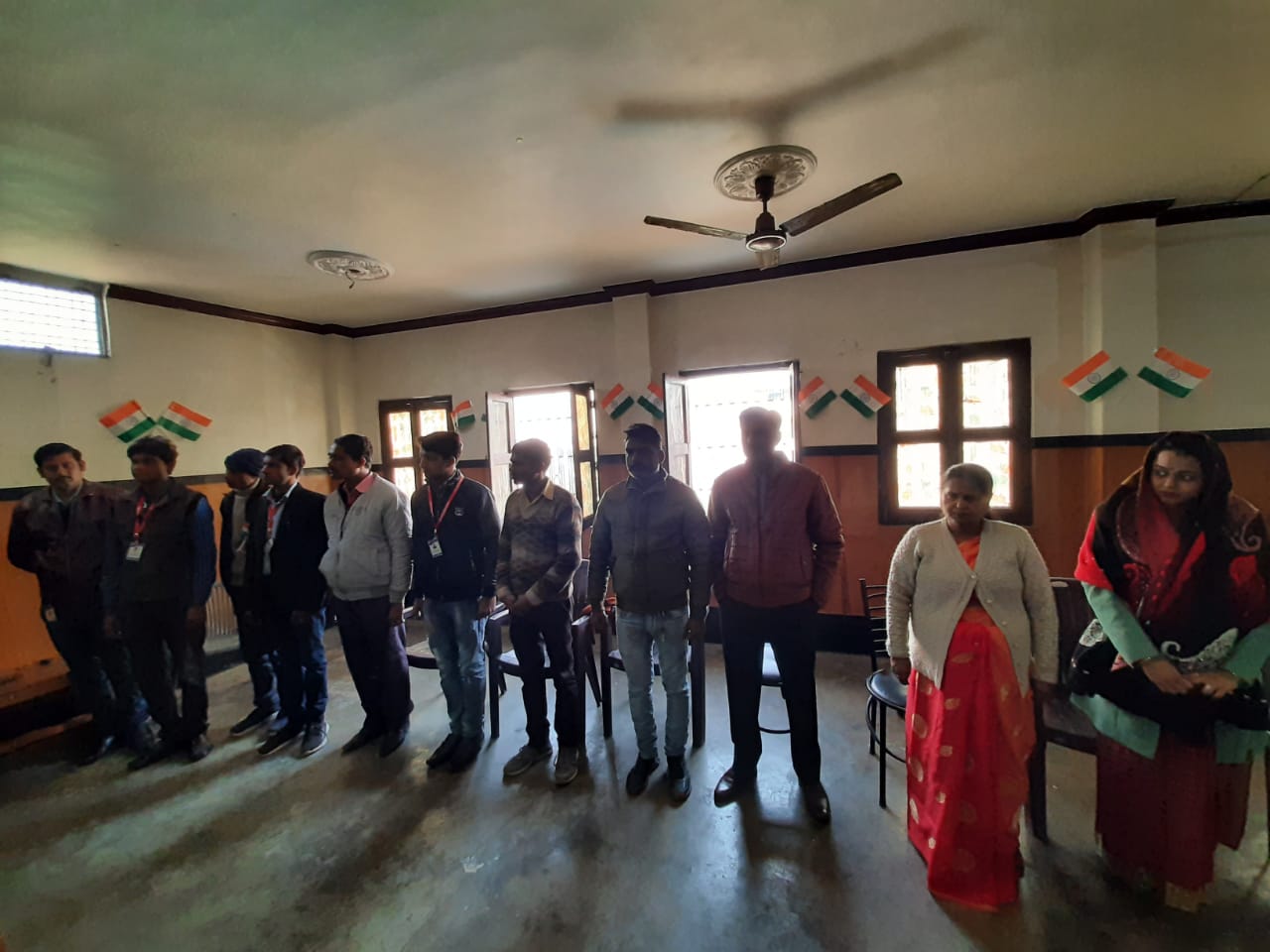
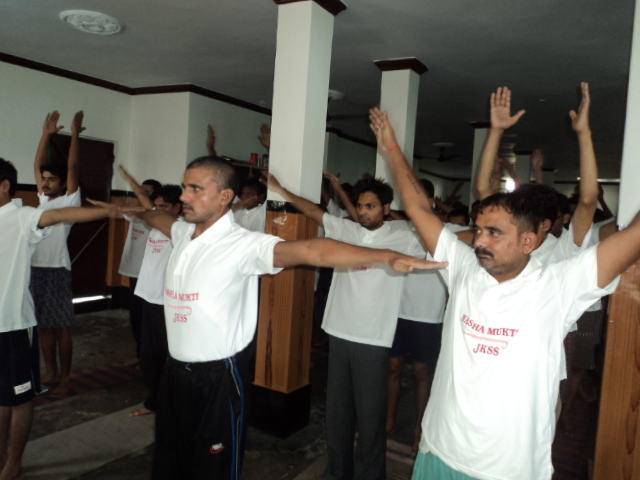
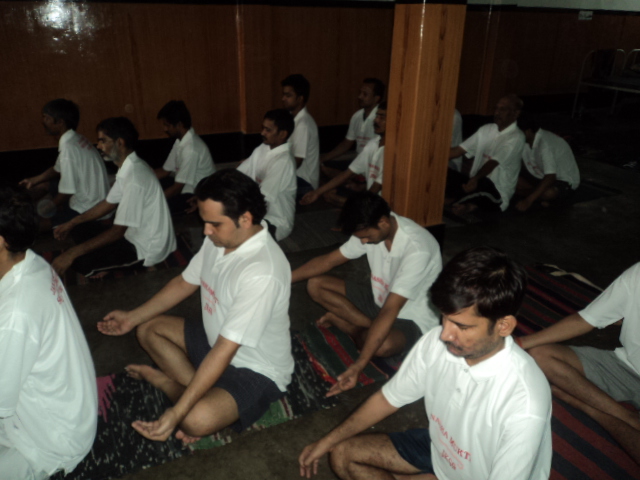
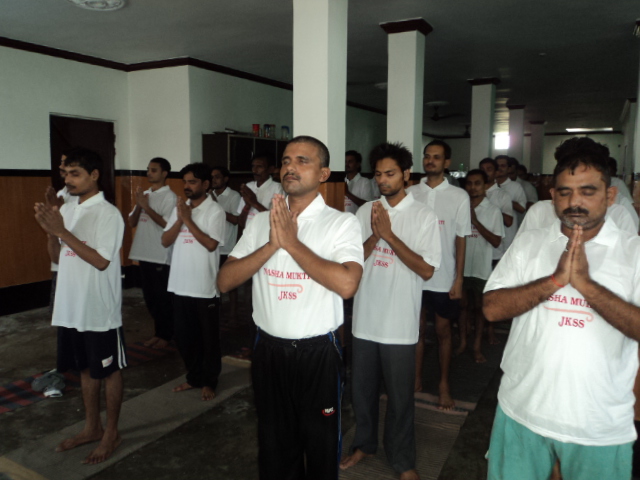
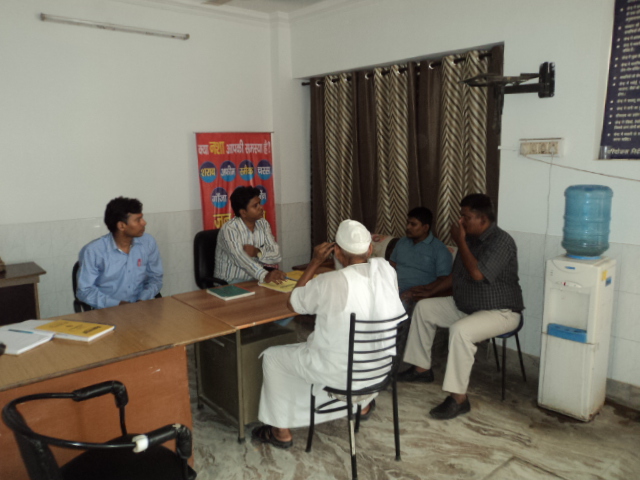
Call Us Today for FREE Consultations
Simple, supportive and professional care throughout your recovery journey.
Same Day Appointments
Our appointment process is simple and won't take less than a minute. Contact our team to arrange your consultation.
Good Class Facilities
We provide the best facilities to our patients and help them settle down comfortably in a supportive environment.
Expert Doctors
We have multiple doctors holding expertise in counselling the patients and supporting their treatment journey.
Book an Appointment &
You're Done!
Looking for the best & quick treatments without a long waiting time?
We are one of the best Nasha Mukti Kendra Gwalior & Bhopal.
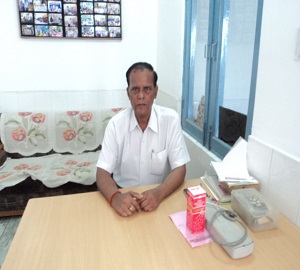
DR. S.K.PATHAK
FOUNDER
Frequently Asked Question
What is Drug Addiction & type of addiction?
Ans. Drug addiction is a kind of habit which a person develops in himself by using some specific type of objects in a long time period and due to the episodic use of these objects his body become tolerative towards it and he cant escape himself to use it again and again as well as due to the addiction he develops some particular changes in his attitude, behavior and his personality too which can easily read by others.
Types of Addiction
Alcohol Addiction
This is Habitual addiction. It includes all types of alcohol products like country liquor, beer, wine, rum, whisky, laththa etc. Alcoholic drinks have deleterious effects on the nerves and the heart.Their destructive effects on the digestive system are well known. Alcohol blunts hunger, causes irritation and swelling of the lining of the stomach, and impairs the functions of the liver.
Nicotine Addiction
This is also a habitual addiction. It includes all types of nicotine products like cigarettes,bidi, mava,gutka, tobacco chewing, snuff etc. Nicotine, is explicitly described in medical dictionaries as a powerful and active poison. Smoking introduces this poison, as well as the highly poisonous gas, carbon monoxide, into the lungs. Nicotine causes increased secretion of adrenalin and noradrenalin into the blood stream, which result in a higher proportion of fats in the blood. It is for this reason that smoking accelerates the process of the hardening of the blood vessels. The arteries providing nutrients to the heart muscles also become congested, hardened and brittle, with consequences ranging from palpitation and hypertension to angina pectoris and heart attacks.
Drugs Addiction
Drug addiction consists of Fortwin, Proxyuon, Diazepam, L.S.D., Opium, Smack, Marijuana, Heroine, Cocaine, Charas, Ganja, Bhang, Brown Sugar etc. It is estimated that almost five percent of the population is addicted to one drug or the other. A craving to obtain peace, to get rid of depression, to escape worldly sorrows and failures, to get an euphoric feeling or to get rid of social inhibitions leads people to the use of drugs. Chronic use of these drugs leads to severe damage to the liver, the heart, the kidneys, the brain and the nerves.
1. What is drug addiction?
2. What are the misconception associate with addiction?
3. Is it necessary to get hospitalized?
Patient of substance abuse can be treated on own basis if the abuse is of milder form and patient is willing to cooperate with the treatment but in most of the cases where the amount of drug abuse is high withdrawal symptoms and severe and patient surrounding does not allow him to quit addiction at home so it is better to hospitalize the patient.
4. What is detoxification?
Most patient with alcohol dependence have relatively mild symptoms when they stop drinkingProvided they have good health, adequately nourished and has a good social support system. The withdrawal syndrome usually resembles a mild case of file:The first step in detoxification is through physical examination and if combined drug abuse is not present ,patient is offered is rest ,adequate nutrition and multiple vitamins especially those containing thiamine.
5. What is withdrawal?
6. Why cant drug addicts quit drug by their own?
Actually drug users cannot quit it by their own efforts because using the drug in a long time period they feels some changes in their nature a like-lack of confidences ,looking the power of determination and losing the trust of their family too. All these factors plays a important role in it that’s why they can’t get success do over come from the addiction.
7. How much this treatment program is effective?
The program is effective a lot because it is applied in a systematic way by using different type activities like-counselling session, program play with which addict can engage himself the whole day’s life .The main focusing thing is that all these things are provided by the experts.
8. Is addiction leads to HIV/AIDS or other disease?
Yes, it is possible that addiction leads to HIV/AIDS or any other disease because if the person use injections for taking drug ,he use it again and again or ina group too so the possibilities of HIV/AIDS is occurred and the excessive use of alcohol and smoke is generate the problem of liver and skin diseases too.
9. How long is the treatment program?
It depends on the addiction in general & disease.
10. What if I relapse?
The process of recovery is not shared and there is high degree of possibility that patient might again start abusing drug during this phase. The occasion of substance use need to be differentiated as lapses or relapses. Isolated instances of substance use are considered lapses while return to the previous pattern or dependent use are called relapse. Recognition of relapse is as important phenomenon course of disorder can be tackled meaningfully and help in avoiding the sense of dejection and helplessness that surrounds the patient family as well as treating them. There may be variety of relapse effects like negative emotional states, negative physical state, testing of person control over urges, relationship conflict and limited availability of mental health professional are also the important factor.
11. What is addiction treatment?
Treating the substance abuser is a challenging one. It starts with through patients physical as well as psychological profile. Initially the patient is managed for withdrawal and detoxified .Associated medical problems are also death with. After substantial physical recovery behavioural and cognitive issues are taken care and patient is subjected to behavior and cognitive therapies along with pharma – co-logical treatment. Temperamental factors, family and interpersonal issues are also focused.
12. What are the signs of drug abuse?
1.Recurrent substance use resulting in a failure to all the major role obligations at work ,school or home (repeated absence or poor work performance).2.Recurrent substance abuse in situation in which it is physically hazardous e.g. driving or operating machine.3.recurrent substance related legal problems e.g. arrests or misconduct.4.Continued substance use despite having persistent or recurrent social or interpersonal problems caused or exacerbated by the affects of the substance e.g. arguments with spouse and physical fights.
13. How can I know if someone is addicted to drugs?
Three or more of the following is last :
1. Tolerance
a. Markedly increased amount of substance is needed to achieve desired effect.
b. Markedly diminished affect with continued use of some amount of substance.
2. Withdrawl
a. The characteristic withdrawal symptoms occur depending upon the substance used.
b. The same substance is taken to avoid withdrawal.
3. Substance is often taken is larger amount over a long time than was intended.
4. Persistent desire to cut down or control substance abuse.
5. Great deal of time is spent in obtaining the substance.
6. Social,occupational and recreational activities are reduced.
14. Can I become addicted to drugs?
There are lots of issues to address in this question, but I will start with the easiest part to answer. It seems you want somebody to tell you it is “OK” for you to try drugs, and I can’t and won’t do that. I will say that it is an unfortunate fact of the teen years that drug and/or alcohol experimentation is the norm, not the exception. For most teens experimenting with drugs or alcohol is just that – an experiment. Teens try drugs or alcohol, they measure the various reactions they get, and they come to a conclusion based on those reactions. Despite some pretty scary statistics, the vast majority of teens who try drugs or alcohol end up as well adjusted contributing members of adult society. Even teens who are habitual users, even abusers of drugs, can come through it all without becoming addicted. No one really knows why some people become addicted while others who use just as many drugs don’t, and there is no “test” to take to see if you are one of the unlucky ones who, once you try drugs, will find it next to impossible to stop. It is all a matter of personality, circumstance and genetics and other personality issues.